
01
Fix the inputs first
Clarify topic sources, asset locations, publishing channels, and lead fields.
Solution
Many operations leads are not short on tools. They are stuck rebuilding the same context every cycle: topics, assets, publishing checks, recap notes, and lead follow-up. MotiClaw is designed to pull those repeated actions into one local-first workbench so AI assistants can keep moving with a clear rhythm.
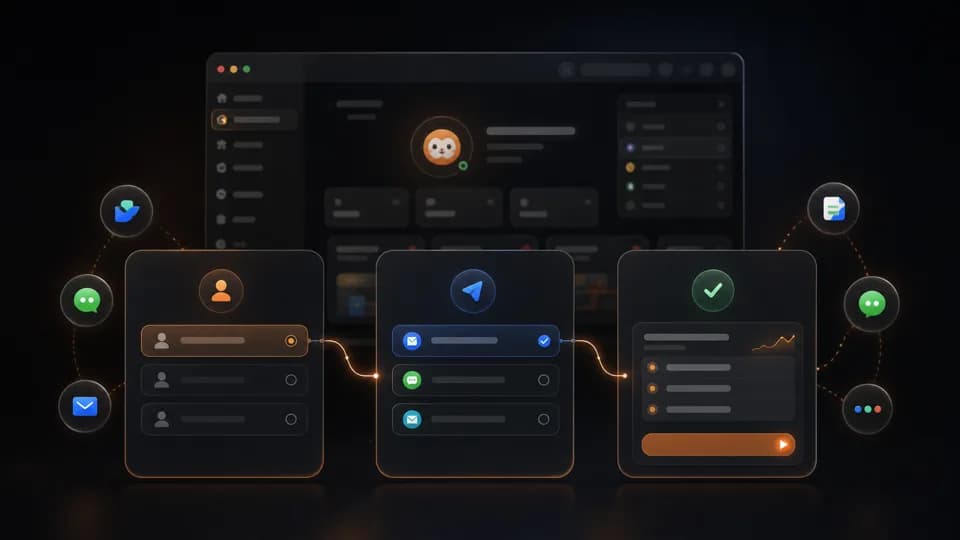
Use this capability view to understand how the product enters the work; the interactive preview and verified screenshots remain the product truth.
Open interactive preview01
Clarify topic sources, asset locations, publishing channels, and lead fields.
02
Let AI assistants handle organization, checks, reminders, and recap drafts.
03
Keep what worked so the next content cycle does not start from zero.
Start here
Put inputs, execution, and human review into one clear path before expanding it.
Start with where topics come from, where assets live, which channels matter, and what lead follow-up requires.
Let AI assistants organize assets, prepare publishing checks, draft recap notes, and remind people about follow-up.
After each cycle, keep the fields, checks, FAQs, and recap decisions so the next run gets easier.
Content operations may look like topics, writing, publishing, and review. The real drag is often the repeated organizing work between those steps.
The same asset may move through chats, docs, spreadsheets, screenshots, and web links. The same lead may need follow-up in a CRM, messaging tool, email thread, or private conversation. Without a stable workbench, each cycle starts over.
For OPC and operations leads, the first step is not to let AI publish everything. The first step is to make inputs, checks, handoff, and recap work stable.
Once the workflow is stable, AI can reliably handle organization, summarization, reminders, and first drafts, while people keep ownership of judgment, messaging, and publishing decisions.
MotiClaw does not replace the operator's judgment. It brings repeated work and context back into one place so AI assistants can work against a clear operating surface.
A good first cycle can be small: one topic, one audience, one publishing channel, and one set of review signals. Once that works, expand to more channels and content types.
People searching for AI content operations systems or AI workflows for operators are usually already looking for an implementation path, not a broad AI introduction.
A page that explains decisions, steps, checks, and next actions can match that intent better and can support later community distribution, directories, and partner links.
FAQ
Start with organization and checks, not fully automatic publishing. Topic grouping, asset summaries, publishing checks, and recap drafts are better first steps.
Brand messaging, legal risk, customer stories, pricing promises, and final publishing decisions should stay human-led. AI should prepare the work for judgment.
Look for less repeated organizing work, more stable publishing checks, reusable templates, and clearer follow-up on leads or inquiries.
Next
For OPC and operations leads, this guide explains how to build an AI content calendar workflow across topic queues, asset pools, publishing checks, channel rhythm, lead follow-up, and recap templates.
See what MotiClaw helps you do, from agent onboarding and daily operations to data insights, all in one local-first control interface.
See how MotiClaw brings agent onboarding, status, daily operations, configuration, and delivery into one local-first workbench for FDEs, AI indie developers, and founders.
A practical guide for founders and solo operators choosing the first repeated workflow to hand to AI partners for preparation, reminders, follow-up, and review.
Run the first step