
01
Start with facts
Bring chats, notes, quotes, customer status, and previous commitments back into one decision path.
Workflow
Founders make small decisions all day: whether to follow up with a client, how to respond to a quote, which content angle deserves attention, or which project should move next. The exhausting part is often not the final call. It is rebuilding context from chats, notes, promises, and scattered signals. The first version of an AI decision workflow should not replace judgment. It should let AI partners prepare facts, options, risks, and next steps.
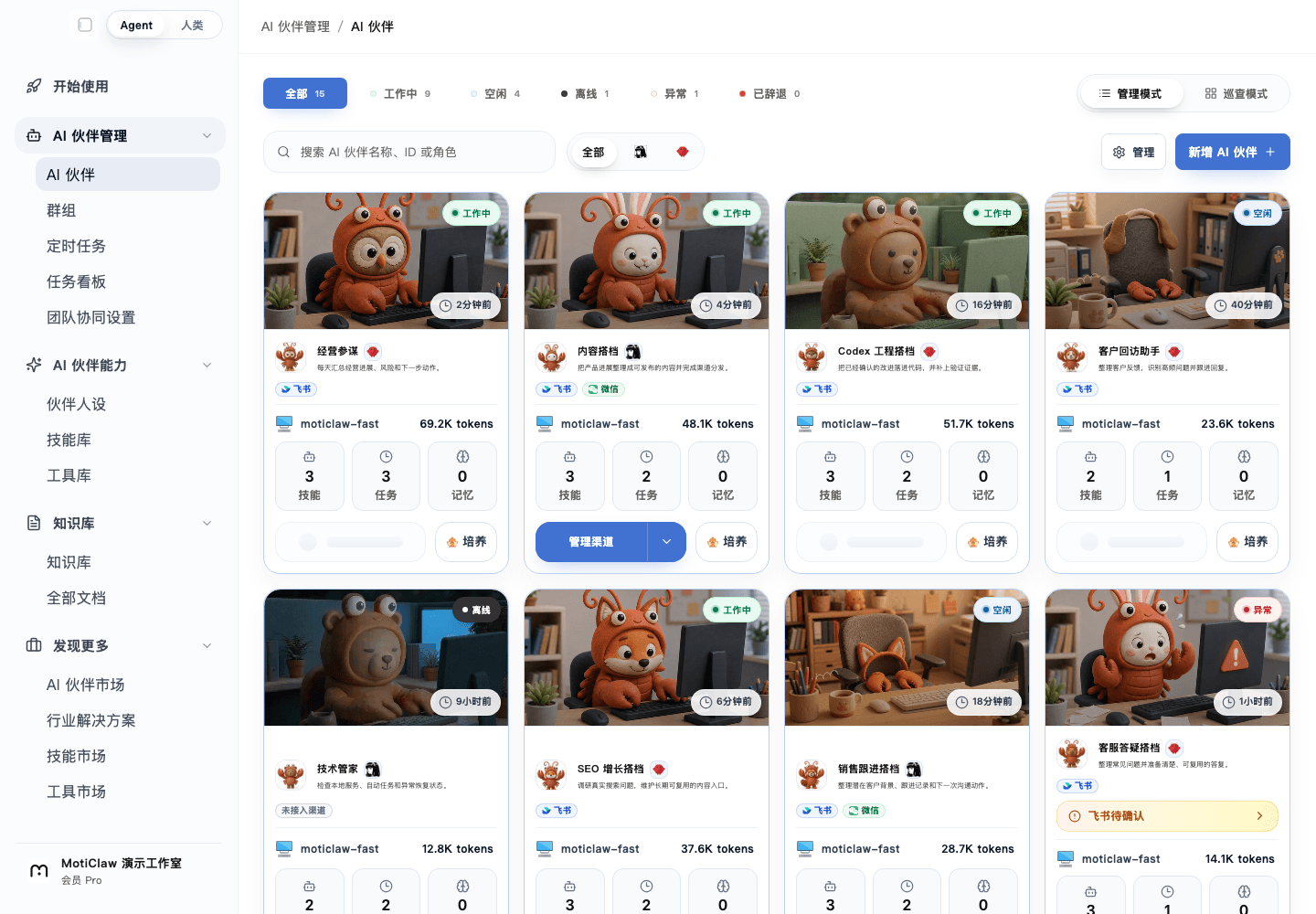
See how the real workbench carries status, tasks, and human review before deciding whether the approach fits.
Open interactive preview01
Bring chats, notes, quotes, customer status, and previous commitments back into one decision path.
02
Let AI partners list possible actions, risks, missing questions, and confirmation points.
03
Pricing, promises, relationships, and brand position remain human-led while AI prepares the work.
Start here
Put inputs, execution, and human review into one clear path before expanding it.
Choose one frequent scenario first: client follow-up, quoting, content direction, project priority, or vendor coordination. It should be concrete enough to happen and be reviewed within a week.
List the relevant chats, previous decisions, customer status, metrics, options, and risks. The AI partner should prepare the decision context, not jump straight to the final answer.
Money, contracts, customer relationships, people decisions, legal risk, and brand commitments should stay human-confirmed. AI saves preparation time without taking critical responsibility.
Many AI tools make decision support sound large, but the reliable starting point for founders is usually not automatic decision-making. Business judgment affects customer relationships, cash flow, team rhythm, and long-term brand trust.
A steadier first step is decision preparation: recover context, organize facts, list options, surface risks, and show what needs human confirmation. The founder still decides, but the cost of getting ready drops.
Start with small decisions that repeat often, have clear inputs, and can be reviewed later. These are the decisions where you repeatedly search old records, reconstruct status, and decide the next action.
If a decision depends on hidden experience, legal responsibility, or sensitive relationship handling, do not make it the first AI decision workflow. Begin with lower-risk but frequent judgment work.
MotiClaw works as a local-first AI partner workbench. It keeps agents, context, tasks, configuration, and reminders together so AI partners can keep working against the same material.
Start with one repeated decision in MotiClaw. Let an AI partner prepare background, candidate actions, and risk notes. After it works, reuse the same input fields, confirmation points, and review rhythm for the next decision type.
People searching for founder AI decision workflows, AI business assistants, or AI assistants for solo operators are usually not looking for a generic chatbot. They want a way to reduce repeated organizing, missed follow-up, and rushed decisions.
This page explains what AI should prepare, what humans should confirm, and how to choose the first decision workflow, making it a high-intent entry point for founders and solo operators.
FAQ
No. The first version should prepare facts, options, risks, and reminders while the founder keeps pricing, promises, relationships, and final direction human-led.
Pick a frequent, lower-risk decision with clear inputs and visible outcomes, such as client follow-up, quote preparation, content direction, or project priority review.
Check whether you search fewer chats and docs, miss fewer follow-ups, and see options and risks faster. If yes, reuse the workflow for another decision type.
Next
MotiClaw fits founders and solo operators who need a local-first AI partner platform to gather scattered work, manage agents, and keep execution moving.
A practical guide for founders and solo operators choosing the first repeated workflow to hand to AI partners for preparation, reminders, follow-up, and review.
A practical guide for founders deciding whether repeated work should start with an AI partner, a scoped contractor, or a long-term employee based on ownership, exceptions, and review cycles.
For OPC and operations leads, this guide explains how to build an AI content calendar workflow across topic queues, asset pools, publishing checks, channel rhythm, lead follow-up, and recap templates.
Run the first step