
01
Local-first buys boundaries
Work data and runtime state stay primarily on your device, while updates, backups, and recovery require more ownership.
Decision guide
Feature lists are easy to compare, but they rarely determine the cost six months later. For an indie developer, the durable questions are where working data lives, who maintains the system, how failures are recovered, and what can leave with you when the platform changes.
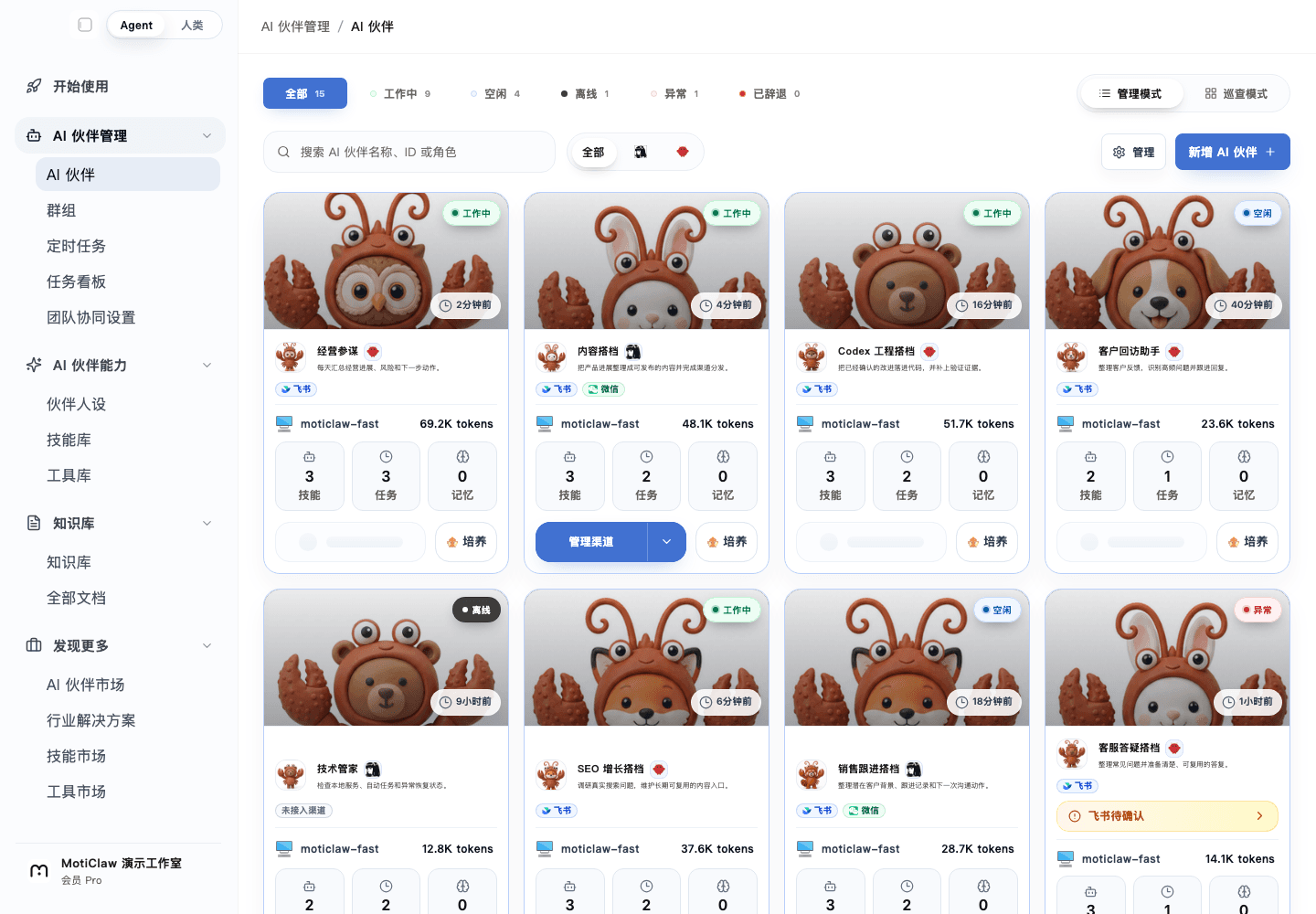
See how the real workbench carries status, tasks, and human review before deciding whether the approach fits.
Open interactive preview01
Work data and runtime state stay primarily on your device, while updates, backups, and recovery require more ownership.
02
Setup and cross-device access are easier, while data, pricing, and continuity depend more on the provider.
03
Keep durable context local, connect external models or channels only when the task needs them, and preserve human review.

Start here
Put inputs, execution, and human review into one clear path before expanding it.
Prepare synthetic or non-sensitive inputs and define the expected result, human checkpoint, and rollback path.
Compare setup, daily startup, permissions, updates, recovery, and cross-device use rather than one successful task runtime.
Confirm storage, backups, exports, provider-change risk, and what remains usable after the service or device changes.

Local-first gives more control to the operator. Working data and runtime state stay primarily on your device, and some work can continue through a network interruption. Device capacity, backups, updates, and recovery also become more visible responsibilities.
Cloud SaaS shifts more infrastructure work to the provider. Setup, synchronization, and scaling are usually easier, while pricing changes, account permissions, outages, and data exports become dependencies. Neither side is free; the cost simply lands in a different place.
Model counts and feature buttons are easy to scan, but they hide much of the daily operating cost.
MotiClaw uses a local-first workbench approach to keep AI partners, tasks, runtime state, and exceptions that need human attention in one continuous view. Working data stays on the local device by default; user-connected models and channels reach external services only when the task requires them.
That does not mean every capability must run offline. A practical path is to stabilize durable context, runtime visibility, and review points first, then decide which model or channel connections are worth using. Final submissions, pricing promises, and sensitive decisions remain human responsibilities.
If the immediate goal is fast validation, frequent cross-device access, or shared work with no sensitive or durable context yet, local maintenance may not be worth the cost. A cloud service can help validate the need faster.
Revisit the decision once the workflow accumulates client material, long-running memory, stable operating steps, or delivery risk from outages. The choice should follow the work rather than remain locked to the convenience of the first signup.
FAQ
No. Local-first can reduce some data transfer, but device permissions, backups, updates, and malware still need attention. Security depends on the complete operating model, not only deployment location.
Usually not. First identify which workflow needs durable context and explicit boundaries, then decide what belongs locally and what can use an external service.
Compare hardware, maintenance time, backup, and recovery against subscriptions, usage, storage, seats, and migration over the same period. Hardware price or monthly fees alone miss half the cost.
Keep explicit human review for sensitive data leaving the device, external messages or publishing, pricing and customer promises, and recovery choices after failures.
Next
MotiClaw fits AI indie developers who want one local-first workbench for agent management, service configuration, local deployment, and client delivery.
See how local deployment works in MotiClaw, who it fits best, and how to start managing AI partners and agents while keeping your data on your own device.
See how MotiClaw brings agent onboarding, status, daily operations, configuration, and delivery into one local-first workbench for FDEs, AI indie developers, and founders.
For AI indie developers, MotiClaw helps turn agent management, service configuration, client demos, and delivery maintenance into a sustainable local-first workflow.
See what MotiClaw helps you do, from agent onboarding and daily operations to data insights, all in one local-first control interface.
Run the first step